



Dental Extractions Brighton
At Mountain View Family Dental in Brighton, Colorado, we’ve been helping families with dental extractions for decades. As Brighton’s oldest, privately owned dental practice, we’ve seen just about every tooth extraction situation you can think of. Our team knows exactly how to make the process as smooth as possible for you.
Why You Might Need a Dental Extraction
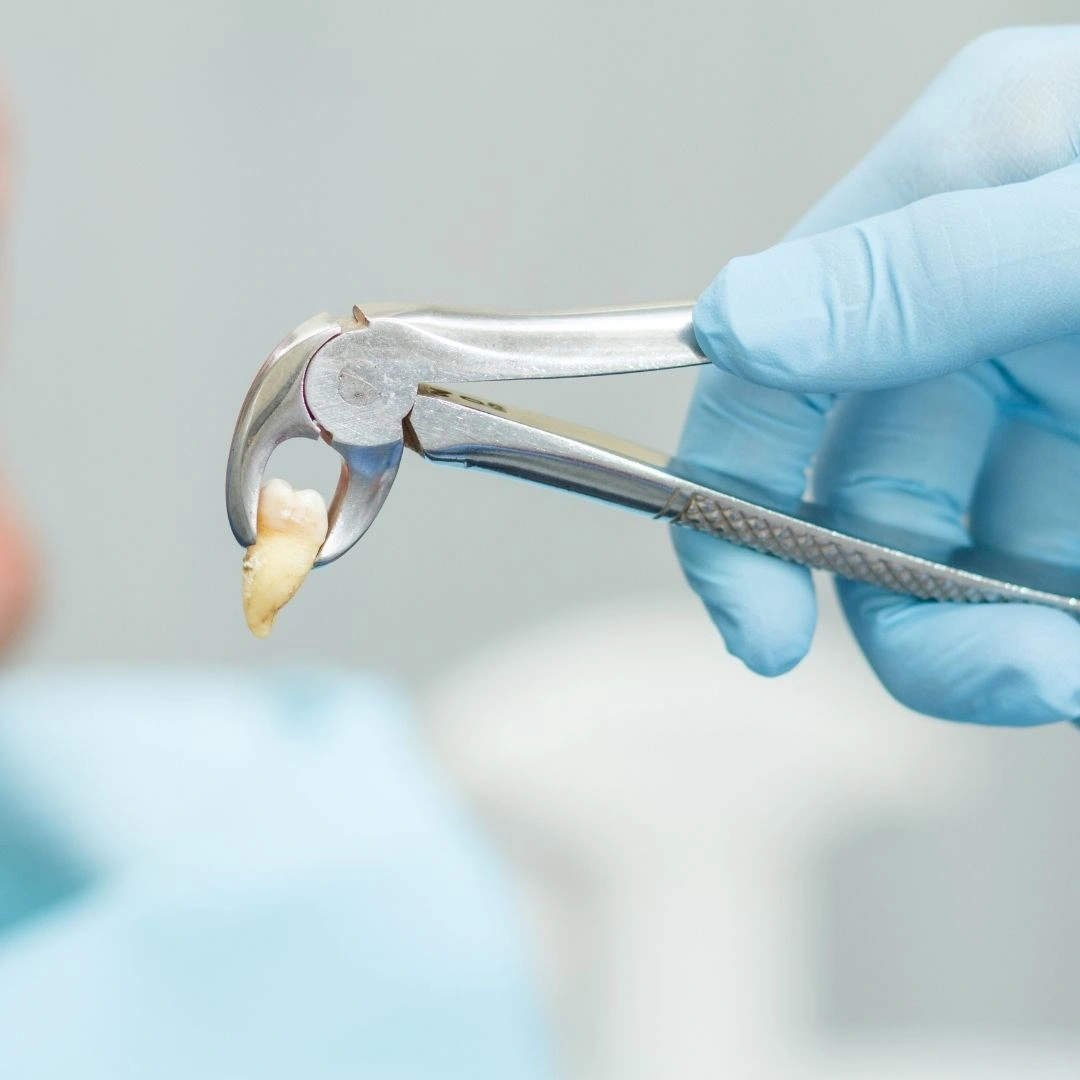
Your Brighton dentist might recommend tooth removal for several reasons. Severe decay that has damaged too much of the tooth structure makes extraction the smart choice. When infection reaches deep into the tooth roots and can’t be saved with root canal treatment, removal prevents the infection from spreading to nearby teeth and gums.
Crowded teeth often need extraction to make room for orthodontic treatment. Wisdom teeth commonly require removal because most mouths don’t have enough space for them to come in properly. Broken teeth that can’t be repaired also need extraction to protect your overall oral health.
Simple Extractions vs. Surgical Extractions
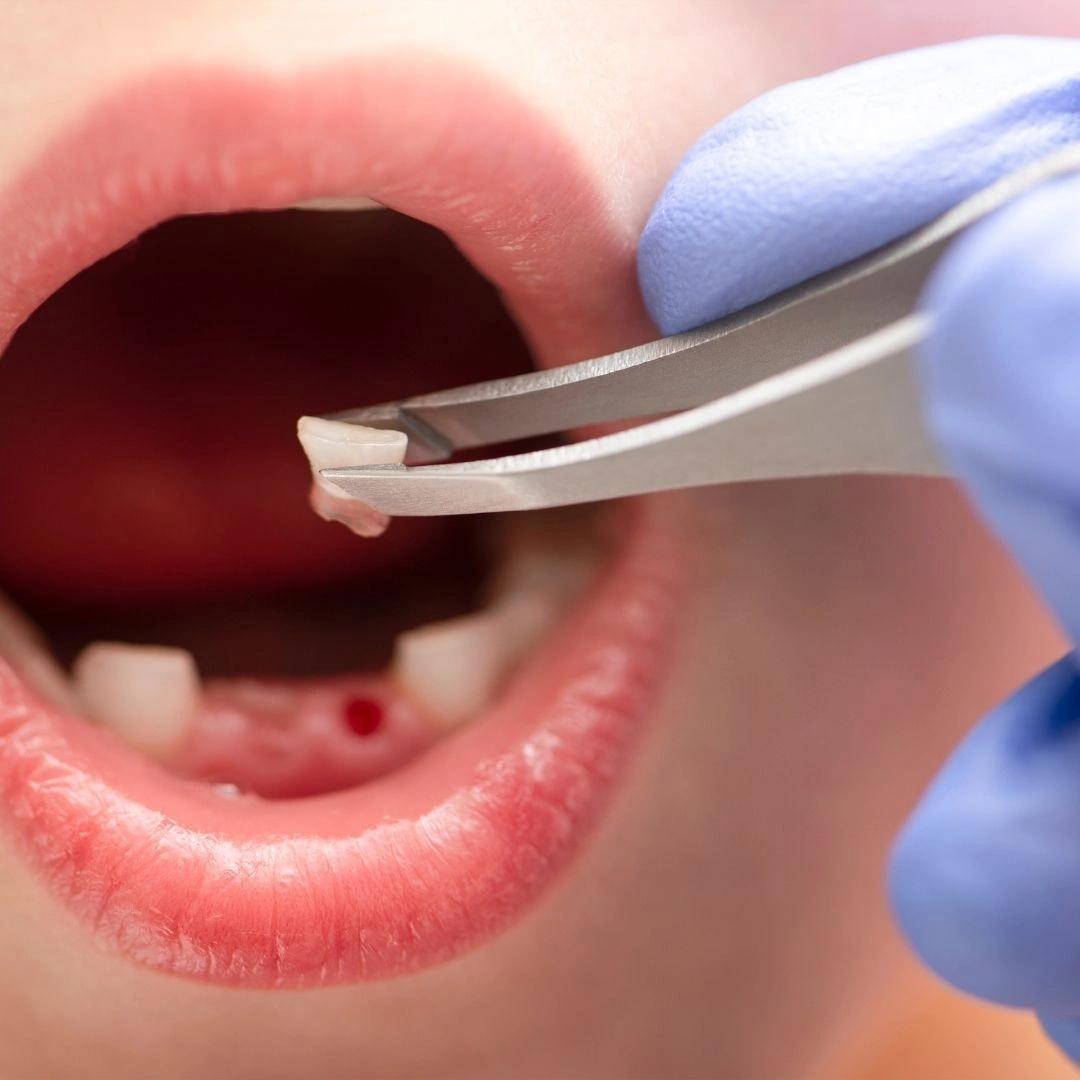
Simple extractions handle teeth that are visible above the gum line and can be removed with standard dental tools. Your dentist numbs the area with local anesthetic, gently loosens the tooth with special instruments, and removes it with dental forceps. These procedures typically take just a few minutes and cause minimal discomfort.
Surgical extractions are needed when teeth haven’t fully emerged from the gums or have broken off at the gum line. This process requires making a small incision in the gum tissue to access the tooth. Sometimes the tooth needs to be divided into smaller pieces for easier removal. While surgical extractions take longer than simple ones, modern techniques and pain management keep you comfortable throughout the process.
What to Expect During Your Dental Extraction in Brighton
Your appointment starts with a thorough examination and digital X-rays to see exactly what’s happening with your tooth and surrounding bone structure. We review your medical history and current medications to make sure the extraction is safe for you.
Before starting the extraction, we apply topical numbing gel to make the injection more comfortable. Local anesthetic ensures you won’t feel pain during the procedure, though you might notice some pressure or movement.
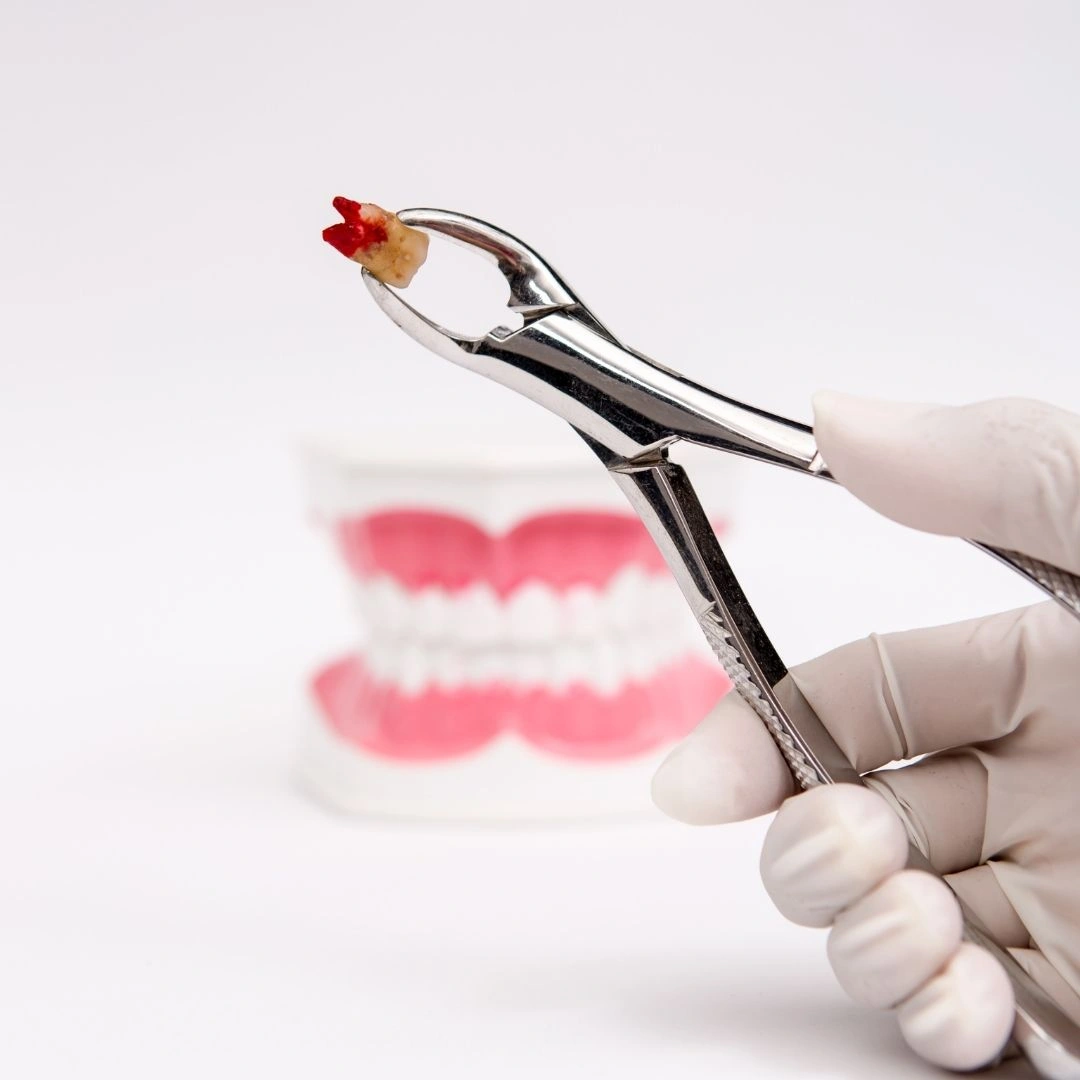
During the extraction itself, you’ll feel some pushing and pulling sensations, but no sharp pain. If you experience any discomfort, let us know immediately so we can add more anesthetic. The actual removal usually takes just 10-30 minutes, depending on the tooth’s location and condition.
After removal, we place gauze over the extraction site to help control bleeding and start the healing process. We’ll give you detailed aftercare instructions and schedule a follow-up appointment to check your healing progress.
Recovery and Aftercare Tips
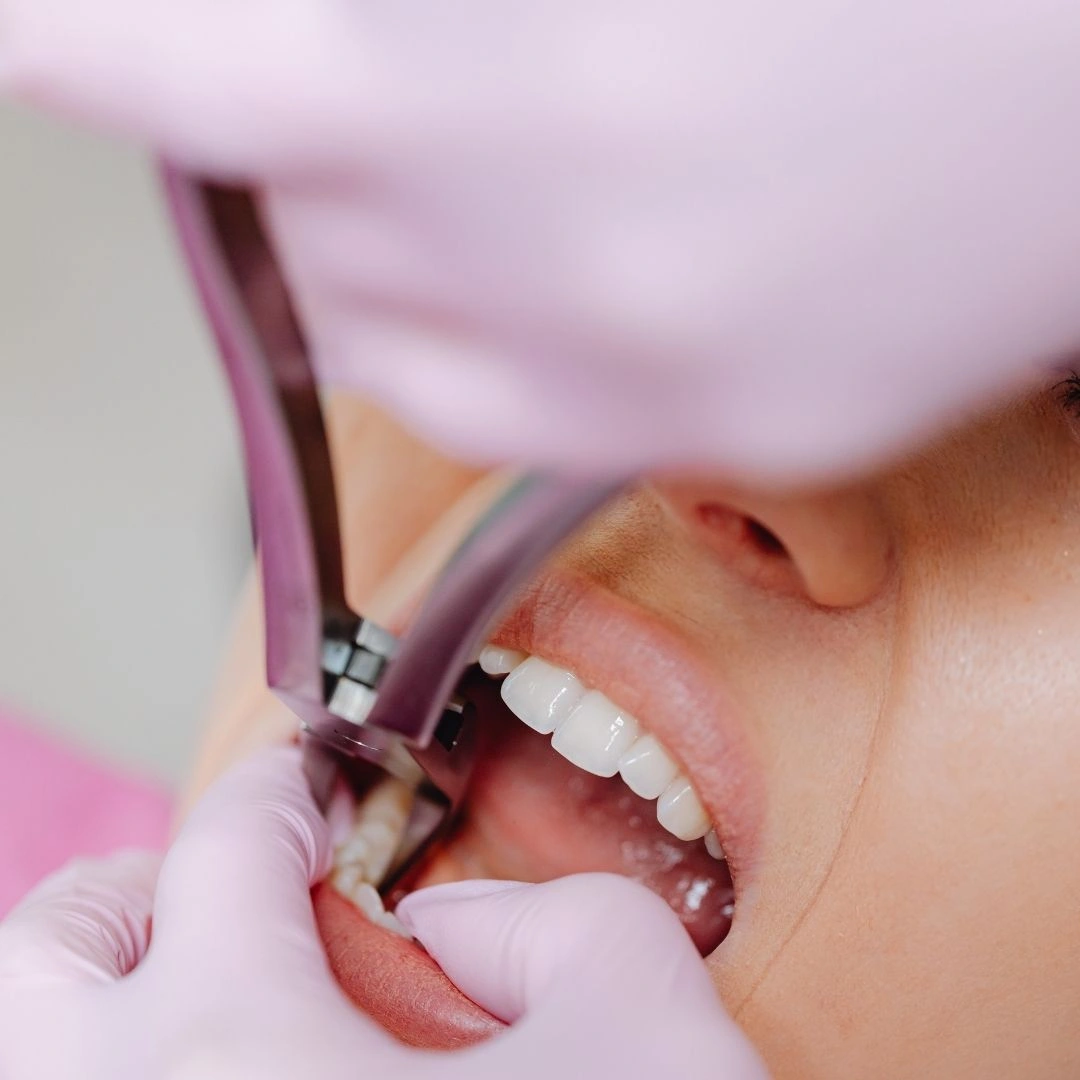
Keep the gauze pad in place for about 30-45 minutes after leaving our Brighton office. Change it if bleeding continues, but don’t disturb the blood clot that forms in the socket. This clot protects the underlying bone and nerves as your mouth heals.
Stick to soft foods for the first few days. Ice cream, yogurt, mashed potatoes, and smoothies are perfect choices. Avoid hot liquids, spicy foods, and anything that requires lots of chewing. Don’t use straws for at least a week because the suction can dislodge the blood clot.
Take prescribed or over-the-counter pain medications as directed. Most people find that ibuprofen works well for extraction pain because it reduces both pain and swelling. Apply ice packs to your face for 15-20 minutes at a time during the first day to minimize swelling.
Keep your mouth clean, but be gentle around the extraction site. After the first 24 hours, rinse gently with warm salt water several times a day. Brush and floss your other teeth normally, just avoid the extraction area for the first few days.
Managing Pain and Swelling After Tooth Extraction
Pain levels vary depending on which tooth was removed and how complicated the extraction was. Front teeth usually cause less post-procedure discomfort than back molars. Simple extractions typically hurt less than surgical ones.
Most extraction pain peaks within the first 6-8 hours after the procedure, then gradually improves each day. By day three or four, you should notice significant improvement. If pain gets worse instead of better, or if you develop severe throbbing that keeps you awake at night, call our Brighton office right away.
Over-the-counter pain relievers work well for most extraction discomfort. Ibuprofen (Advil or Motrin) is often the most effective because it reduces both pain and inflammation. Take it as directed on the package, and don’t exceed the recommended dose.
Some swelling around the extraction site is completely normal and actually shows that your body is starting the healing process. Swelling usually peaks around day two, then gradually goes down. Ice packs during the first 24 hours help minimize swelling, while warm compresses after that can provide comfort and promote healing.
When to Choose Extraction Over Other Treatments
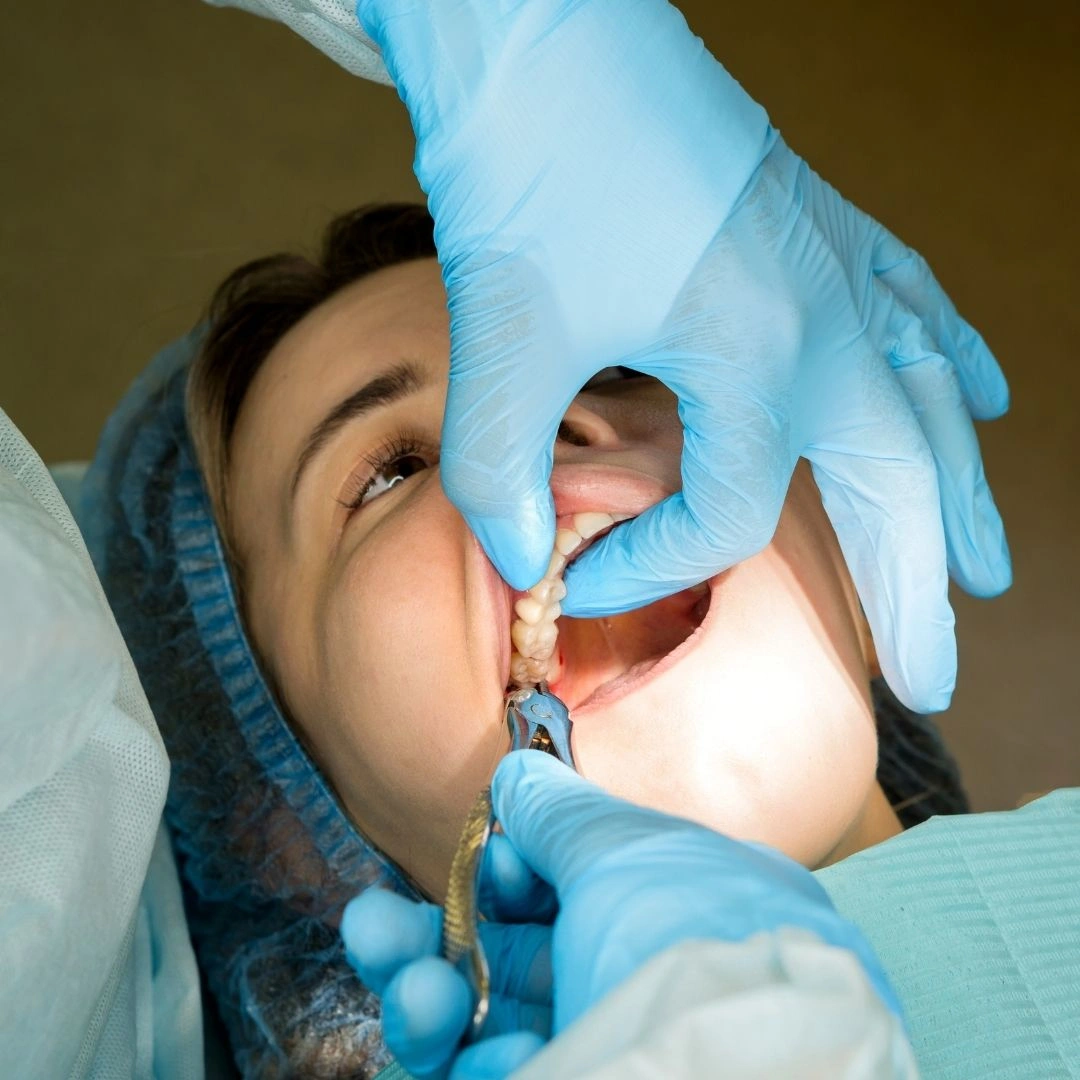
Root canal therapy can save severely infected teeth in many cases, but it’s not always the right option. If the tooth structure is too damaged, if the infection keeps coming back, or if the cost of root canal treatment plus a crown exceeds your budget, extraction might make more sense.
Crowns can restore broken teeth, but they need enough healthy tooth structure to attach to. When a tooth breaks below the gum line or has extensive decay, there might not be enough solid tooth left to support a crown. In these situations, extraction followed by replacement options gives you better long-term results.
For wisdom teeth, extraction is often recommended even before problems develop. These third molars commonly cause crowding, decay, or gum disease because they’re hard to clean properly. Removing problematic wisdom teeth in your late teens or early twenties prevents bigger issues later.
Tooth Replacement Options After Extraction
Dental implants are the gold standard for single tooth replacement. An implant consists of a titanium post that integrates with your jawbone, topped with a crown that looks and feels like your natural tooth. Implants don’t affect neighboring teeth and can last decades with proper care.
Dental bridges work well when you have healthy teeth on both sides of the extraction site. The bridge consists of crowns for the adjacent teeth connected to a replacement tooth in the middle. This option provides good function and appearance, though it does require preparing the neighboring teeth.
Partial dentures offer a removable option for replacing one or several teeth. Modern partial dentures are much more comfortable and natural-looking than older versions. They’re also the most budget-friendly replacement option.
For multiple extractions, complete dentures or implant-supported dentures might be the best solution. These options restore your ability to eat, speak, and smile confidently.
Why Choose Mountain View Family Dental for Extractions in Brighton
We use the latest techniques and equipment to make extractions as comfortable as possible. Digital X-rays give us detailed images while exposing you to less radiation than traditional films. Modern anesthetic techniques ensure you stay comfortable throughout the procedure.
Our Brighton location at 191 Telluride, Suite 3 is easy to find and has convenient parking. We’re open Monday through Thursday with extended hours on Tuesday and Wednesday to fit your schedule. Friday appointments are available when needed.
Most importantly, we treat you like family. We understand that dental anxiety is real, and we take time to explain procedures and answer all your questions. Our goal is to make your extraction experience as positive as possible.
Emergency Extractions in Brighton
At Mountain View Family Dental, we reserve time in our schedule for dental emergencies. If you’re experiencing severe tooth pain that might require extraction, call us at (303) 659-5185 as soon as possible. We’ll do everything we can to see you the same day.
Emergency extractions follow the same careful procedures as planned ones, but we understand you’re dealing with pain and stress. We prioritize getting you comfortable and out of pain as quickly as possible.
Signs that you might need an emergency extraction include severe tooth pain that doesn’t respond to pain relievers, facial swelling, fever, or a broken tooth with sharp edges that cut your tongue or cheek.
Preparing for Your Dental Extraction
Eat a good meal before your appointment, especially if you’re having sedation. You won’t want to chew much for the first day after extraction, so starting with a full stomach helps.
Arrange for someone to drive you home, particularly if you’re having a surgical extraction or sedation. Even local anesthetic can make you feel a bit woozy, and it’s better to be safe.
Wear comfortable, loose-fitting clothes and avoid jewelry or accessories that might interfere with the procedure. Bring a list of all medications you’re taking, including supplements and over-the-counter drugs.
If you take blood thinners, prescription medications, or have health conditions like diabetes or heart disease, make sure we know ahead of time. We might need to coordinate with your physician or adjust your medication timing.
Plan to take it easy for the rest of the day after your extraction. Stock up on soft foods, pain relievers, and anything else you might need so you don’t have to make trips to the store.
Ready to schedule your dental extraction consultation in Brighton? Call Mountain View Family Dental at (303) 659-5185 today. We’ll examine your tooth, explain your options, and help you make the best decision for your oral health. Our experienced team is here to guide you through every step of the process with comfort and care.