



Dental Bridges Brighton
Missing teeth can feel like carrying around a puzzle with pieces that don’t fit together anymore. You know something’s off when you smile, chew, or even just run your tongue across the gap. Maybe you’ve been covering your mouth when you laugh, or you’ve noticed your other teeth starting to shift positions. That empty space isn’t just about looks – it’s changing how your whole mouth works.
At Mountain View Family Dental in Brighton, Colorado, we see patients every day who thought they’d have to live with that gap forever. Dr. Thompson and our team have been helping Brighton families restore their smiles for years, and dental bridges remain one of our most effective solutions for replacing missing teeth.
What Are Dental Bridges?
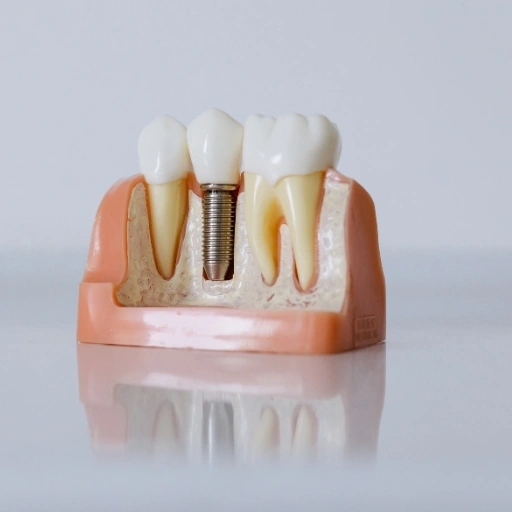
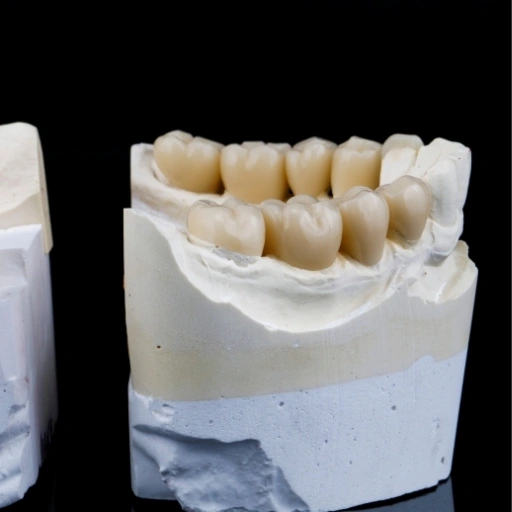
Think of a dental bridge like a sturdy bridge over a river. Instead of water flowing underneath, you have that empty space where your tooth used to be. The bridge spans across that gap, anchored to the healthy teeth on either side (we call these abutment teeth). The replacement tooth in the middle (called a pontic) literally bridges the space.
A bridge doesn’t just sit there looking pretty. It does the heavy lifting your missing tooth used to handle – helping you chew food properly, keeping your other teeth from drifting into the wrong spots, and maintaining the shape of your face. When teeth start shifting around because of a gap, it can change your bite and even affect how you look.
Types of Dental Bridges We Offer in Brighton
Traditional Fixed Bridges
This is the most common type we place at our Brighton dental office. We shape the teeth on either side of the gap to hold crowns, and these crowns support your new replacement tooth. Traditional bridges work great when you have healthy, strong teeth next to the missing tooth.
Cantilever Bridges
Sometimes you only have one healthy tooth next to the gap instead of teeth on both sides. A cantilever bridge extends from that single anchor tooth, kind of like a diving board. We don’t use these as often, but they can be the right choice in certain situations.
Maryland Bridges
These are more conservative because we don’t have to reshape your adjacent teeth as much. Instead, we use metal or porcelain wings that bond to the back of your neighboring teeth. Maryland bridges work well for front teeth that don’t handle as much chewing force.
Implant-Supported Bridges
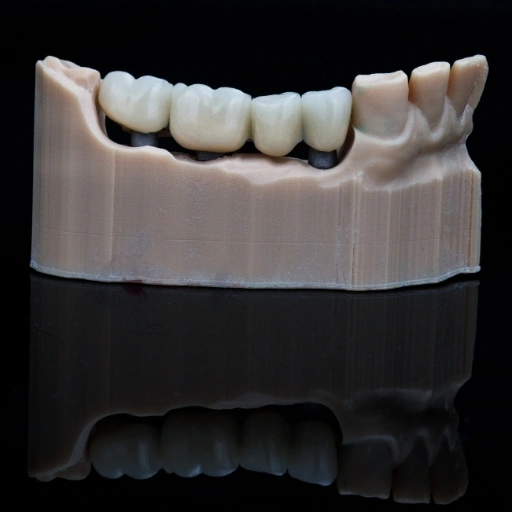
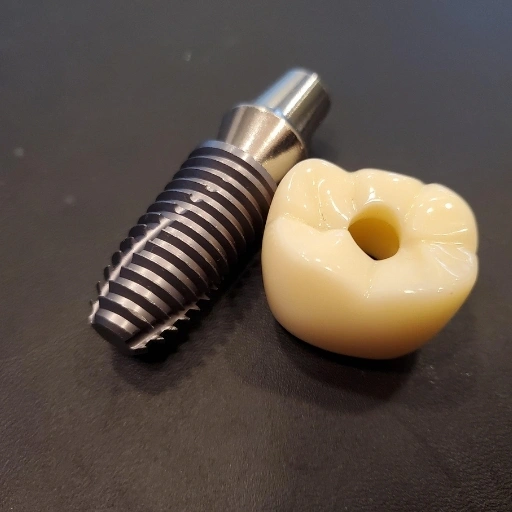
When you’re missing several teeth in a row, we might recommend placing dental implants to support a bridge instead of using your natural teeth as anchors. This protects your healthy teeth and can actually be stronger than traditional bridges.
The Bridge Process: What to Expect
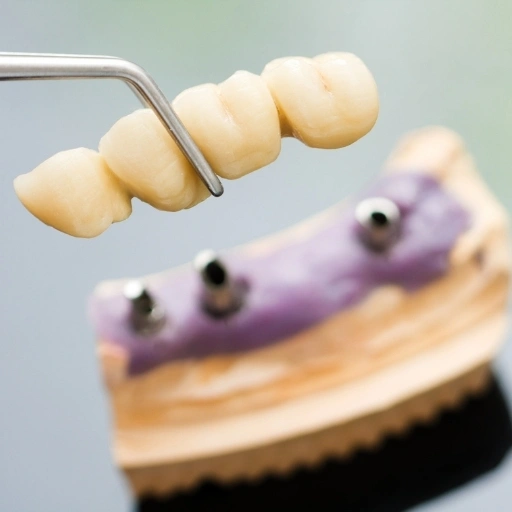
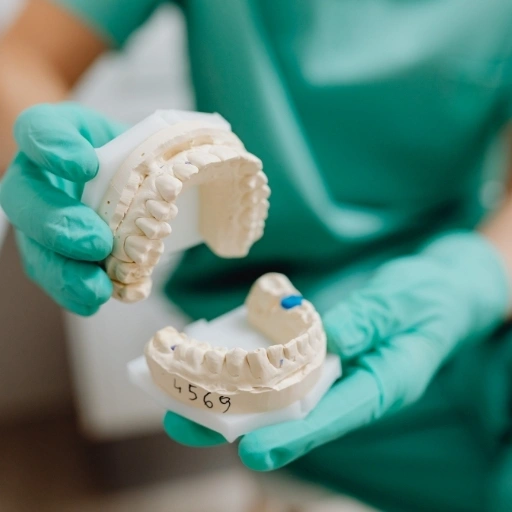
Getting a dental bridge typically takes two visits to our Brighton office on Telluride Street. During your first appointment, Dr. Thompson will examine the area and take impressions of your teeth. If you need a traditional bridge, we’ll gently reshape the anchor teeth and place a temporary bridge while our lab creates your permanent one.
Your second visit is when the magic happens. We’ll remove the temporary bridge, check the fit of your new permanent bridge, and make any needed adjustments. Once everything looks and feels right, we’ll cement it in place. The whole process usually takes about two to three weeks from start to finish.
Between visits, that temporary bridge protects your prepared teeth and keeps you comfortable. You can eat normally (though we recommend avoiding really hard or sticky foods), and most patients adjust to it quickly.
Who Makes a Good Candidate for Dental Bridges?
Bridges work best when you have healthy teeth or implants on either side of the gap. Your gums need to be in good shape too, since gum disease can affect how well a bridge stays in place. Age isn’t usually a factor – we’ve successfully placed bridges for patients from their twenties to their eighties.
You might be a good candidate if you’re missing one to three teeth in a row, especially if those missing teeth are affecting how you eat or speak. Some patients come to us because they’re tired of dealing with a partial denture that moves around or feels bulky.
If you’ve been avoiding certain foods because of missing teeth, a bridge can often restore your ability to eat the things you love. One patient told us she hadn’t eaten corn on the cob in five years until we replaced her missing front teeth with a bridge.
Caring for Your New Bridge
Taking care of a bridge isn’t much different from caring for your natural teeth, but there are a few extra steps that make a big difference. You’ll brush twice a day like always, but you’ll need a special floss threader or water flosser to clean under the bridge where food can get trapped.
Regular checkups at Brighton office become even more important with a bridge. We’ll check that everything’s fitting properly and clean areas you might have trouble reaching at home. Most bridges last 10-15 years with good care, though we’ve seen some last much longer.
What you eat matters too. Hard foods like ice or candy can damage bridges just like they can chip natural teeth. Sticky foods like caramel can pull at the bridge or get stuck underneath it.
Benefits Beyond Just Filling the Gap
Patients often tell us they didn’t realize how much that missing tooth was affecting their daily life until they got their bridge. Chewing becomes easier and more comfortable. Speech improves if the missing tooth was affecting how you pronounce certain words.
Your face shape stays more stable too. When you lose teeth, especially back teeth, your facial muscles can start to sag over time. A bridge helps maintain that support structure.
The confidence boost surprises many patients. When you’re not worried about people noticing a gap when you smile or laugh, you tend to be more outgoing in social situations.
Why Choose Mountain View Family Dental for Your Bridge?
As Brighton’s oldest privately owned dental practice, we’ve been part of this community for decades. Bridges are just one part of our full cosmetic dentistry services in Brighton Dr. Thompson and our team have placed hundreds of them for local families, and we understand what works best for people who live and work in our area.
Our office uses modern techniques and advanced technology, but we never rush through your treatment. We take time to explain each step and make sure you’re comfortable with the process. Many of our bridge patients were initially nervous about the procedure, but they tell us the experience was much easier than they expected.
We’re located at 191 Telluride, Suite 3, right here in Brighton. Our office hours work with most schedules – we’re open Monday through Wednesday with extended hours on Tuesday and Wednesday, Thursday mornings, and Friday by appointment.
Brighton-Specific Considerations
Living in Brighton means you’re probably active outdoors, whether you’re hiking at Barr Lake State Park or enjoying the Prairie Center. Missing teeth shouldn’t hold you back from the activities you love. A stable bridge lets you eat trail mix without worry and smile confidently in all those outdoor photos.
Brighton’s growing community means more dining options too, from the local cafes downtown to family restaurants along Bridge Street. With a properly fitted bridge, you can enjoy everything from steaks at the local grill to fresh corn from the Brighton farmers market.
Cost and Insurance Information
Most dental insurance plans cover bridges as a major restorative procedure, typically paying 50% of the cost after you meet your deductible. We work with most insurance providers and can help you understand your benefits before we start treatment.
We also offer payment plans for patients who want to spread the cost over several months. Don’t let cost concerns keep you from exploring your options – we’ll work with you to find a solution that fits your budget.
Alternatives to Consider
Bridges aren’t the only way to replace missing teeth, and Dr. Thompson will discuss all your options during your consultation. Dental implants are sometimes a better long-term solution, especially for younger patients or when you want to avoid affecting adjacent teeth.
Partial dentures cost less upfront but may not feel as stable as a bridge. Some patients try dentures first and later decide they prefer the security of a fixed bridge.
Getting Started
If you’re tired of dealing with that gap in your smile, call us at (303) 659-5185 to schedule a consultation. Dr. Thompson will examine your teeth, discuss your options, and help you decide if a dental bridge is right for you.
During your consultation, we’ll take X-rays to check the health of your surrounding teeth and gums. We’ll also discuss your goals – whether you’re mainly concerned about appearance, function, or both. Every patient’s situation is different, and we tailor our recommendations to what works best for your lifestyle and budget.
Don’t put off addressing missing teeth. The longer you wait, the more likely your other teeth are to shift positions, which can make treatment more complicated later. Brighton residents have trusted Mountain View Family Dental for generations, and we’re here to help you restore your smile with a solution that lasts.
Missing teeth don’t have to be permanent. With a well-crafted bridge from our Brighton dental team, you can get back to eating, speaking, and smiling with confidence. Your new bridge will feel like a natural part of your mouth, letting you focus on living your life instead of worrying about your teeth.
Ready to bridge that gap? Call Mountain View Family Dental at (303) 659-5185 or visit us at 191 Telluride, Suite 3 in Brighton, Colorado. We’re here Monday through Thursday, with extended hours Tuesday and Wednesday to fit your schedule.